Commissioning automotive feature and aftersales videos: plan the series before the shoot
A series of automotive videos needs more than a list of functions to film. A connected-car feature, a workshop demonstration and a promotional cut may use the same vehicle while serving different audiences. Before commissioning the shoot, agree what each capsule must explain, who will approve its accuracy and which versions the brand needs to publish.
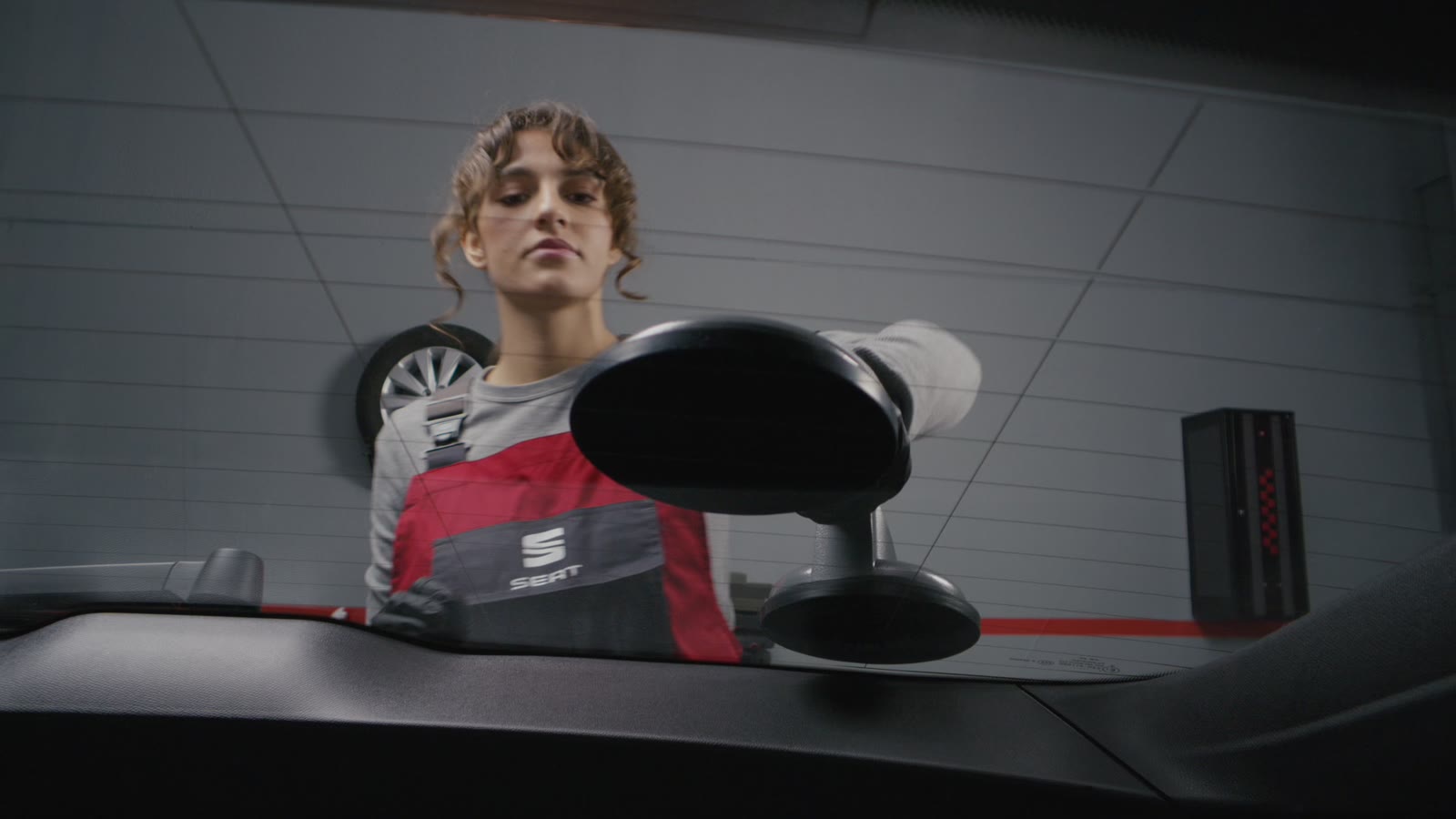
Give each capsule one viewer question
Write a sentence describing the question each video answers. For a feature film, it could be what the function does and how the user finds it. For aftersales content, it could be what happens during a specific workshop service. Keep customer education separate from technician training: the level of detail, terminology and review requirements are different.
Do not assume a feature available on one vehicle, software version or market is identical everywhere. Have the brand’s product team confirm the relevant vehicle and interface before scripting. Treat this as an approval dependency, not something the filming crew should infer on set.
Use the SEAT and CUPRA cases as relevant production evidence
PHOCUS directed workshop/aftersales and Connect capsules for SEAT and CUPRA, managed the client relationship and created original backgrounds for the LED-screen Connect filming. Glassy Films handled production logistics with participation from PHOCUS. See the SEAT project and CUPRA project for the published work.
The planning recommendations below describe how to brief a new series. The published cases establish the kind of work and PHOCUS’s role; they do not establish a conversion rate, cost saving or undocumented client approval process.
Build a capsule register before asking for a quote
For every film, record the subject, audience, vehicle/variant, key action, required demonstration, proposed length and delivery format. Add the interface or product reference, language versions, approver and any dependency that could prevent filming. A producer can then distinguish repeated setups from genuinely different coverage.
A useful example entry might be: connected feature demonstration; customer audience; vehicle and software confirmed by the brand; wide context shot plus readable interface close-up; one master and an agreed vertical adaptation. This is a briefing example, not a description of a specific SEAT or CUPRA deliverable.
Plan the demonstrations and interfaces together
A clear explanation may need a person performing the action, a view of the control and a view of the result. Mark these as separate coverage requirements. Decide how screen content will be captured and checked, and whether any prepared interface material is needed. Do not leave accuracy or legibility to an unplanned crop in the edit.
Assign a brand-side product approver who can resolve feature questions during preparation and filming. For workshop demonstrations, ask the client to approve the procedure and who is qualified to perform it. The film team should translate approved information into understandable coverage.
Choose a setting that helps the explanation
A workshop setting can give practical service content context. A controlled studio and designed LED background can support a different visual language for connected services. These choices need their own access, preparation and technical scope; grouping them as one “car shoot” can hide the production differences.
Read our guide to commissioning LED-background automotive production if that approach is being considered. Ask for a method that fits the actual camera coverage and review the background through the proposed shooting setup.
Agree versions, channels and approval before filming
Specify the use of each asset: customer information, organic digital, paid advertising, dealership screens or another agreed placement. Print stills are a separate requirement; a motion master is not automatically suitable as a print image. Confirm language, subtitles, on-screen copy, aspect ratio and whether each variant needs a separate opening or framing.
Agree who approves scripts, feature accuracy, background design, rough cuts and final masters. Keep a record of approved product and interface references. Separate correction of an inaccurate feature from a later request to add a new capsule, so scope changes can be discussed clearly.
Brief PHOCUS for your automotive series
Send the capsule register, product references, vehicle availability, creative status, intended channels, markets, dates and budget range. State whether you need direction and creative production, local production support, or a defined combination with your existing agency or producer.
Explore our creative production services and production service in Spain, then send PHOCUS the brief. The first proposal should make responsibilities, coverage and delivery scope visible so you can commission the series with the right expectations.