Product launch campaign production: from product story to asset plan
A product launch brief often arrives with a long feature list and a short production window. The first creative decision is choosing what the audience needs to remember. Build the campaign around that priority, then define the evidence and assets needed to communicate it clearly.
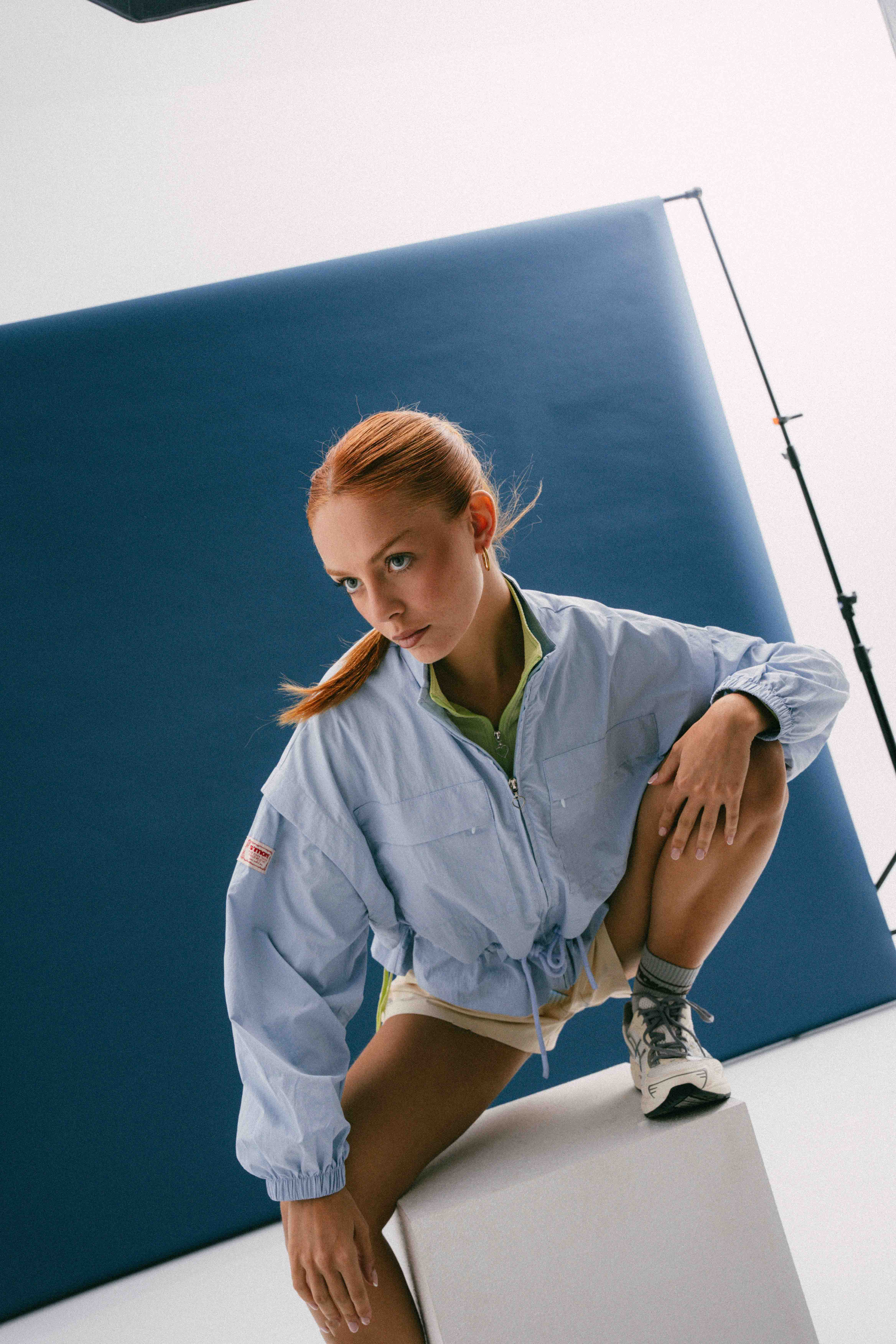
S’MORE launch campaign. Production: PHOCUS Creators. Director: Carles Mas. View the project and credits.
Choose the product story before the format
Describe the audience’s situation, the relevant product benefit and why the brand can credibly make that promise. Separate an emotional idea from a factual feature demonstration. They can support each other, but they need different kinds of shots and review.
For example, a film about everyday freedom may use a broad visual world, while a demonstration of a specific mechanism needs a precise view of how the product works. Agree which job each asset is doing before deciding whether the campaign needs a hero film, short demonstrations, stills or a combination.
Prepare a product reference pack
Supply approved packaging, logos, colour references, dimensions, available samples and written guidance on what can be shown. Identify prototypes and features that are still changing. Label the reference version so production does not build a finished campaign around an obsolete product detail.
Name the person who can approve product accuracy and claims. If samples are delayed, discuss what can be prepared with references and what genuinely requires the final object. Resolve substitutions explicitly, especially when generated imagery or visual effects are being considered.
Translate the message into a small set of asset roles
Organise assets by role: introducing the product, explaining a feature, showing a use context and supporting the next action. The same asset may serve more than one role. Avoid producing a large quantity of near-identical edits simply because several channels are available.
An example matrix might pair an introduction film with a product-detail still and a short feature demonstration. For each, write one sentence describing what a viewer should understand. If two assets have exactly the same job, decide whether both are needed or whether their audience and placement require different execution.
Work backwards from the release package
Start with the date the final files must reach the publishing team. Allow time for approval, versioning and handover before that date. Then map the dependencies for editing, filming, casting, design and product arrival. A launch date is a fixed business event; it is not automatically a viable delivery deadline.
Set decision gates: approved creative direction, confirmed production scope, product-ready check, first review and final approval. State what can still change at each gate and who decides. This gives the team a way to assess a new request against the remaining schedule.
Review the campaign as a buyer would see it
Check that the product name, features and visual treatment are consistent across film and photography. View each asset in its intended context. Does a small crop hide the feature? Does the opening assume the viewer already knows the brand? Is the next step clear once the asset ends?
Separate creative approval from publication confirmation. An approved master in a folder is not proof that the correct version is live. Keep a final list of files, placements and owners for the team handling release.
Build the launch brief with PHOCUS
See the S’MORE launch campaign for work credited to PHOCUS. For the broader relationship between strategy and execution, read briefing a creative partner in Spain. Send PHOCUS your product, launch date and creative challenge to discuss strategy, direction and production.